
Incorporation In Texas

4.9


Incorporation In Texas
We'll lead you through the crucial processes and factors for launching your business in Texas, from selecting the best business structure to negotiating legal requirements. For more details regarding company Incorporation in Texas, you can connect with Professional Utilities.
Texas is renowned for having a business-friendly environment, which makes it a desirable location for business owners wishing to launch a new venture. This page offers a thorough overview of how to incorporate in Texas, whether you're a resident of Texas or a business owner from another state interested in the Lone Star State.
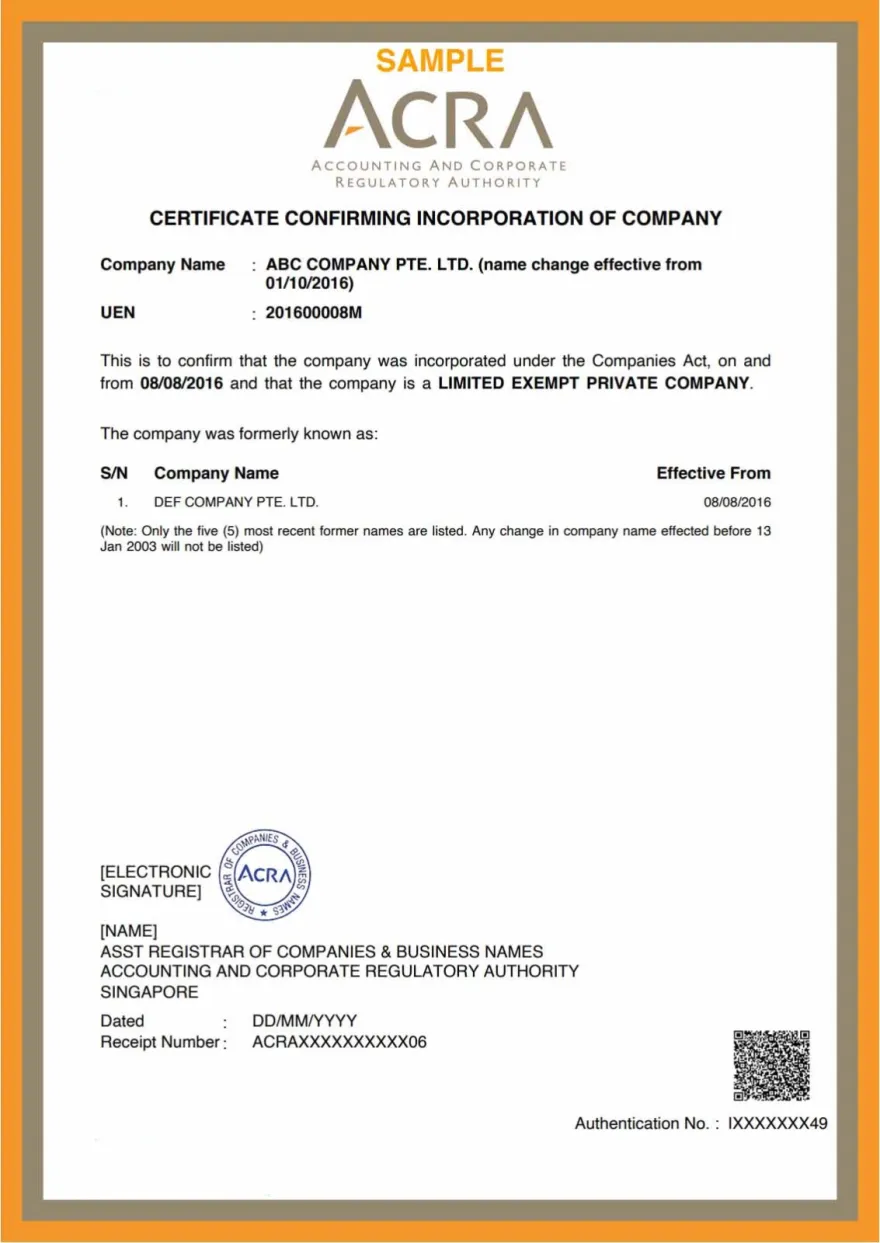
Process Of Incorporation In Texas
The Process Of Incorporation in Texas is as follow:
- Choose a Business Structure: Choose if a corporation, LLC, or other type of business entity is what you wish to create.
- Name Your Business: Choose a distinctive and accessible name for your business and confirm it with the Texas Secretary of State.
- Appoint a Registered Agent: Choose a registered agent who will accept legal paperwork on your company's behalf and has a physical location in Texas.
- File the certificate of Formation: Make a Certificate of Formation (Form 201) and submit it to the Texas Secretary of State. Include key details about your company, such as its name, registered agent, and mission.
- Create Corporate Laws (If Applicable): Create corporate bylaws for your company describing internal regulations and governance.
- Appoint Directors & Officers: Choose directors and officers to run the business and make important choices.
- Obtain an EIN: The IRS can provide you with an Employer Identification Number (EIN), which is required for tax purposes and recruiting staff.
- File Additional Documentations: You might need to submit additional paperwork or obtain permits at the state or municipal level depending on the nature of your firm and its operations.
- Pay the Franchise Act: Recognize and pay the annual franchise tax based on the gross sales or net taxable capital of your company.
- Maintain Compliances: Maintain good standing by submitting yearly reports on time, keeping correct records, and abiding by Texas' corporate compliance laws.

Documents Required For Incorporation in Texas
The list of documents required for incorporation in Texas is as follow:
| Type Of Company | Documents Required |
|---|---|
| Corporation |
|
| Limited Liability Company (LLC) |
|
| Partnership |
|
| Other Documents |
|
Fee Structure For Incorporation In Texas
The required fee for company incorporation in California is as follows:
| Particulars | Fee |
|---|---|
| Articles of Incorporation (Corporation) | $300 |
| Articles of Formation (Limited Liability Company) | $300 |
| Name Reservation | $40 |
Depending on the nature of your business and the industry you operate in, there may be additional fees or permits required from specific agencies.
Why Incorporation In Texas?
Incorporation in Texas serves you with few benefits. Some factors which makes Texas favorite destination in the world for business owners are as follow:
- Business Incentives: Texas provides a range of tax credits and business incentives to entice and keep firms. These incentives may take the form of subsidies, tax breaks, or programs for workforce development.
- Strategic Location: Texas is a center for trade and transportation because of its advantageous location in the southern United States. For companies engaged in international trade, its closeness to the U.S.-Mexico border and access to ports can be useful.
- Flexibility in Business Structure : Texas gives you the freedom to select the type of business entity you want, whether it's an LLC, corporation, partnership, or sole proprietorship. Businesses can choose the structure that best meets their needs because of this flexibility.
- Business-Friendly Environment: One of the states in the US that is regarded as being the most business-friendly is Texas. It offers a regulatory framework that is friendly to business, with minimal restrictions and light administrative requirements, making it simpler to launch and run a business.
- Access To Capital : With access to numerous investors, venture capital firms, and financial institutions, Texas boasts a robust business ecosystem. Businesses may find it simpler to obtain capital and expand as a result.
Governing Body for Company Incorporation in Texas?
Several branches and levels of government make up the responsible authority and governing body of the American state of Texas. These are the main entities:

- Executive Branch: The Governor of Texas, who is chosen by the people of the state, serves as the head of the executive branch. The governor is in charge of overseeing the executive agencies, choosing officials, and carrying out and upholding state laws.
- Legislative Branch: The state's legislative branch is the Texas Legislature. The Texas House of Representatives and the Texas Senate make up the bicameral legislature. They oversee the executive branch, enact legislation, and approve the state budget collectively.
- Judicial Branch: The interpretation and application of the law in Texas are the purview of the judicial branch. The Texas Supreme Court, the Court of Criminal Appeals, and other courts including district courts and municipal courts are just a few of the courts that make up this system. Based on the court, judges are either elected or appointed.
- State Agencies and Commissions: Texas has a large number of state commissions and agencies that deal with particular facets of governance, including public safety, healthcare, education, transportation, and environmental protection. These organizations have administrative duties and are administered by the executive branch.
- Local Government: County, city, municipality, and school districts are just a few of Texas' local governments. These municipal organizations are governed and made up of elected local authorities, such as mayors, county commissioners, and school board members.
Laws Regarding Incorporation In Texas
The laws regarding Incorporation In Texas are as follow:
- Texas Business Organization Code: The primary statutory authority governing corporate entities in the state is the Texas Corporate Organizations Code (TBOC). It covers a range of topics related to business creation, operation, and closure.
- Compliance and Reporting: Corporate entities in Texas are required to abide by ongoing reporting and compliance requirements. This includes submitting yearly reports and keeping complete records.
- Annual Franchise Tax: Texas charges businesses a yearly franchise tax. It's critical to comprehend your responsibilities because the calculation of this tax can be fairly complicated. The Texas Comptroller's office offers advice on filing franchise taxes.
- Formation Documents: You must submit a Certificate of Formation (Form 201) to the Texas Secretary of State in order to incorporate in Texas. This document contains important details about your corporation, including its name, registered agent, legal description, and the total number of authorized shares.
- Shareholders Meetings: In Texas, corporations are required to hold annual shareholder meetings, at which significant corporate decisions and elections may take place. Meetings might take place in person or online.

Conclusion
Incorporating in Texas offers numerous advantages, from limited liability protection to a favorable business environment. However, it's imperative to adhere to state laws and the required legal procedures. You can negotiate the complexities of Texas incorporation and position your business for success in the Lone Star State by seeking legal and financial advice. Your Texas company may succeed in this thriving and dynamic market with the correct planning and direction. For Incorporation of your Company in Texas you can consult with Professional Utilities.
FAQ’s On Incorporation In Texas
What is the Fee for Incorporation In Texas?
The Fee for incorporation in Texas varies depending on the type of company. However, it ranges between
What is the difference between a C corporation and an S Corporation
in Texas?
C corporations are subject to double taxation, while S corporations pass through income to shareholders for tax purposes.
What documents are required for incorporating in Texas?
You’ll need to file a certificate of formation (Form 201) with the Texas Secretary of State.
What is the annual franchise tax in Texas for Incorporation?
The franchise tax is based on a business’s gross receipts or net taxable capital, with varying rates.
Speak Directly to our Expert Today

Reliable

Affordable

Assured
Testimonials
"Explore how Professional Utilities have helped businesses reach new heights as their trusted partner."







It was a great experience working withProfessional Utilities. They have provided the smoothly. It shows the amount of confidence they are having in their field of work.

Atish Singh


It was professional and friendly experience quick response and remarkable assistance. I loved PU service for section 8 company registration for our Vidyadhare Foundation.

Ravi Kumar
I needed a material safety data sheet for my product and they got it delivered in just 3 days. I am very happy with their professional and timely service. Trust me you can count on them.

Ananya Sharma
Great & helpful support by everyone. I got response & support whenever I called to your system. Heartly thanx for Great & Super Service. Have a Great & Bright future of team & your company.

Prashant Agawekar
Thank you so much Professional Utilities team for their wonderful help. I really appreciate your efforts in getting start business. Pvt Ltd company registration was smooth yet quick.
Abhishek Kumar
I applied for Drug licence and company registration and their follow-up for work and regular updates helped me a lot. They are happily available for any kind of business consultancy.

Vidushi Saini
Great experience went to get my ITR done, process was quite convenient and fast. Had a few queries, am happy about the fact those people explained me all things I wanted to know.

Taniya Garyali
Great services provided by Professional Utilities. They are best in this industry and the best part is their prices are so affordable. Kudos to you. Now you guys are my full-time consultant.

Aftab Alam
Trusted By